One of the unspoken roles of a good agency planner is to educate their clients. So even when a great book appears for planners, it’s should also essential reading for any client who holds a budget or commissions work from agencies. The result would be higher quality conversations between client and agency – reflected in the quality and effectiveness of creative work.
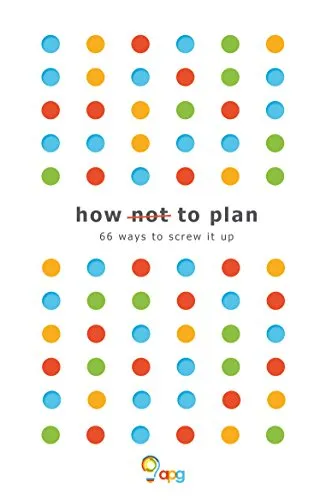
How Not to Plan” is a new book which draws upon many years of articles written by Les Binet & Sarah Carter, both of advertising agency adam&eveDDB. It’s a substantial volume, but well organised around a 9-stage process for planning marketing communications and activation – which means the reader can jump into the most relevant content for them.
Two things stood out for me. First, the text is peppered with real examples, often supported by IPA Effectiveness Award data, which illustrate planning principles in practice. There is a particular emphasis on highlighting the importance of the “red thread” that runs through business & brand objectives, activation and results.
Second, the book is on a mission to debunk the many myths and pet theories that seem to abound in marketing – and especially in advertising and communications. The approach is ruthlessly objective, but remains respectful of the importance of creativity and art.
It’s impossible to condense such a comprehensive book, so I’ve chosen just three examples of the authors’ insights below.
Campaign objectives – twice as many objectives are about loyalty than about penetration. Loyalty metrics are often regarded as ‘unquestionable’ (who wouldn’t want more loyalty?). However, several academics (Ehrenberg, Sharp, etc) have shown when brands grow it’s mostly through getting more buyers (not more of the existing buyers’ money).
The book suggests that many apparent ‘loyalty’ communications actually recruit new buyers. in reality Telecoms company O2’s long running ‘Rewards’ programme drives loyalty. According to the company “talking to existing customers proved to be a more effective acquisition approach than before”.
Consumer insight – brands often believe they have a pretty good understanding of their target market, sometimes assumptions are made and layered upon each other, but breakthroughs can be achieved by challenging those assumptions.
The lager brand Fosters was losing share, and recruited bar tenders to covertly listen in to drinkers’ conversation in pubs. Rather than the happy-go-lucky confident young blokes previously assumed to be Fosters drinkers, the brand found young men were grappling with modern life, using laddishness as a cover. The result was the highly successful ‘good call’ campaign – during which Australian ‘agony aunts’ Brad and Dan would light-heartedly repond to blokes’ dilemmas.
Advertising assets – the authors argue that consistency is often a more profitable strategy than disruption. Nowhere is this more true than in the brand assets used in advertising, on packaging, point of sale and so on.
Whiskers cat food used to command a share of around 50% of the UK market. Whereas Felix was a small struggling brand, virtually facing extinction, when it first started using a black and white cat on packaging and later in advertising. The cute cartoon feline helped the brand to grow sales and raise prices; the consistency of execution drove increasing advertising ROI over the year. Felix overtook Whiskers and – 30 years later – the mascot is still centre stage in the marketing mix, delivering strong returns for its owner Nestle Purina.
“How Not to Plan” is a well-written & objective guide that should sit not only on the desks of agency planners, but also their clients. It may not be beach holiday reading, but it’s a great primer for those new to communications as well as provocation for more seasoned experts.